
- Cryptocurrency
- By Gideon
Bitcoin has opened a world of opportunity for Nigerians looking to grow their wealth. From students to entrepreneurs, the cryptocurrency space has become a popular way to store value, trade, and even earn. But as anyone who has watched Bitcoin’s price swing wildly can tell you, it’s not just about owning BTC, it’s about selling it at the right time.
Selling too early can leave profits on the table, while holding on too long can expose you to unnecessary losses. Add hidden fees, volatile Naira exchange rates, and unreliable platforms, and it’s clear that timing alone isn’t enough. You need a strategy that considers every factor affecting your net payout.
This guide will help you navigate the complexities of selling Bitcoin in Nigeria in 2026. You’ll learn how to read market signals, choose the right platforms, avoid unnecessary fees, and follow an action plan that maximizes your profit while keeping you safe.
By the end, you’ll know exactly how to sell Bitcoin smartly, even if you’re liquidating a small portion or a large holding.
Related:How to Sell Bitcoin in Nigeria
Understanding Bitcoin Selling in Nigeria
Selling Bitcoin in Nigeria is different from other countries because the local market has its unique dynamics. Most Nigerians sell Bitcoin through P2P platforms, instant conversion apps, or traditional exchanges, each with pros and cons.
- P2P Marketplaces
Platforms like Binance P2P Nigeria and Breet allow users to sell directly to other individuals. The advantage is that you can often get better rates by negotiating, but it requires vigilance. Always verify the buyer’s identity and use escrow services to avoid scams. - Instant Conversion Apps
Apps such as Cubex and Dtunes allow near-instant conversion of BTC to Naira with funds sent directly to your bank account. They’re fast, convenient, and reduce the risk of disputes, making them ideal for beginners or those who need quick liquidity. - Traditional Exchanges
Platforms like Luno or Quidax offer structured trading with order books. While they are regulated and secure, the trade may take longer, especially for large amounts.
Fees and Rates are crucial. Nigerian platforms may charge:
- Trading fees: 0–1%
- Blockchain/network fees: depends on BTC network congestion
- Withdrawal fees: bank or mobile money charges
- Spreads: difference between buy and sell rates
Always check net payout, not just the listed BTC-to-Naira rate, as this determines your real profit.
Understanding these platforms and costs is the first step in making informed, profitable decisions when selling Bitcoin.
Related:What Are the Common Fees for Selling Cryptocurrency in Nigeria?
Why Timing Matters When Selling Bitcoin
Bitcoin is volatile. In Nigeria, it’s not uncommon to see ₦50M today and ₦45M tomorrow for the same 1 BTC. Selling at the wrong time can reduce your potential earnings significantly. That’s why timing matters:
- Market Hours
Bitcoin trades 24/7 globally, but rates can vary. Nigerian sellers often get better Naira conversion rates during European and US trading hours (late morning to afternoon WAT), when liquidity is highest. - Day of the Week
Weekdays typically have more active trading, tightening spreads, while weekends often have lower activity and slightly worse rates. - Price Cycles & Halving Events
Historically, BTC experiences bull runs 12–18 months after halving events, moments when new Bitcoin supply is reduced by half. Awareness of this cycle helps sellers anticipate peaks and avoid selling too early. - Local Market Activity
Naira fluctuations and local P2P liquidity is important. Even if global BTC is high, limited Nigerian buyers or unfavorable bank rates can affect your total pay.
Note:Selling at the right moment can add millions of Naira to your earnings, especially for larger BTC holdings. Timing is not just about watching charts, it’s about understanding global trends, local market dynamics, and your personal profit goals.
Key Indicators That Signal the Best Time to Sell Bitcoin
1. Price Trends & Resistance Levels
Bitcoin often slows down or reverses at certain price levels known as resistance zones. These are points where selling pressure historically increases. For example, if Bitcoin repeatedly struggles to rise above ₦80 million and fails each time, that level may act as resistance. If it eventually breaks above that level with strong momentum, it could signal continued upward movement. However, if it fails again, a price pullback may follow. Watching these patterns helps you avoid selling too early or holding too long.
2. On-Chain Metrics
Exchange Inflows:
When large amounts of Bitcoin move from private wallets to exchanges, it often signals that holders may be preparing to sell. Increased inflows can lead to higher selling pressure and potential price drops.
Whale Activity:
Large Bitcoin holders, commonly called whales, can influence market direction. When significant amounts of Bitcoin are transferred or sold, it may cause sharp price movements. Monitoring unusual large transactions can provide early warning signals.
3. Market Sentiment & Social Media Hype
Public excitement plays a powerful role in Bitcoin’s price. When search interest spikes and social media discussions become overwhelmingly optimistic, the market may be overheating. Extreme hype often happens near price peaks, and corrections sometimes follow. Selling during periods of excessive optimism can help lock in profits before a downturn.
4. Relative Strength Index (RSI)
The Relative Strength Index measures whether Bitcoin is overbought or oversold. An RSI above 70 typically indicates overbought conditions, meaning the price may be due for a correction. An RSI below 30 suggests oversold conditions, which could signal a potential rebound. Monitoring RSI helps you make data-driven decisions instead of emotional ones.
5. Local Market Activity (Nigeria-Specific)
Beyond global price movements, local demand and liquidity matter. Even if Bitcoin’s global price is high, weak local buying activity or unfavorable exchange conditions can reduce your final payout. Monitoring real-time BTC-to-Naira conversion rates and local liquidity levels ensures you sell when conditions maximize your net return.
Platforms to Sell Bitcoin in Nigeria
Platform Type | Examples | Fees | Speed | Risk Level | Best For |
P2P Marketplace | Binance P2P, Breet | 0–1% | Moderate | Medium | Experienced traders |
Instant Conversion | Cubex, Dtunes | 0–0.5% | Fast | Low | Beginners or urgent sell |
Exchange | Luno, Quidax | 0.1–1% | Slow | Low | Large trades |
How to Avoid High Fees and Bad Rates
Even the best timing and platform choice can be undermined by hidden costs. Here’s how to protect your profit:
- Compare Rates Across Platforms
Don’t rely on one source. Check multiple apps and exchanges for the best BTC-to-Naira conversion. - Check Blockchain Fees
BTC network congestion increases transaction fees. Selling during low congestion saves Naira. - Look at Net Payout
Include all fees—trading, withdrawal, and blockchain costs to know your actual profit. - Avoid Hype-Based Selling
Social media predictions can be misleading. Always rely on data-driven signals. - Use Secure Platforms with Escrow
Especially for P2P trades, escrow protects you from scams and delayed payments
Step-By-Step Action Plan for Selling Bitcoin in Nigeria
- Check Current Rates – Compare BTC-to-Naira prices across platforms.
- Pick the Best Time – Consider local liquidity, trading hours, and global BTC cycles.
- Choose the Platform – P2P, instant apps, or exchange based on your goals and risk tolerance.
- Calculate Fees – Include trading, withdrawal, and blockchain costs.
- Sell Safely – Verify buyers, use escrow, and confirm bank transfers.
- Monitor Your Profit – Track net Naira received vs. your initial investment.
FAQs-Frequently Asked Questions
Q: What is the best time to sell Bitcoin in Nigeria?
A: The best time to sell Bitcoin in Nigeria is when the market is active, liquidity is high, and you can get the most Naira for your Bitcoin while meeting your financial goals.
Q: Is it better to sell Bitcoin during the week or on weekends in Nigeria?
A: It is generally better to sell during weekdays when trading activity and liquidity are higher, which can result in better rates and tighter spreads.
Q: Should I sell all my Bitcoin at once?
A: Selling in portions can reduce risk in a volatile market. Gradually selling at different price levels helps protect profits and manage uncertainty.
Q: How do I avoid high fees when selling Bitcoin in Nigeria?
A: Compare rates across platforms, monitor network transaction fees, and always calculate your final Naira payout after all charges before confirming a sale.
Q: How do I calculate my Bitcoin profit in Naira?
A: Subtract your original purchase price and all related fees from the total Naira you receive after selling. The remaining amount is your net profit.
Conclusion
Selling Bitcoin in Nigeria requires an approach that fits the realities of the local market.Successful traders don’t wait for perfect conditions because they already understand the volatility, monitor key indicators, and act with intention.
Start by choosing the right platform and timing your sale to maximize Naira returns, while keeping fees and network congestion in mind. Use tools and apps that simplify the process, show accurate current rates, and protect your funds. Ultimately, the most profitable approach combines market awareness, careful planning, and consistent execution, turning Bitcoin’s ups and downs into real financial opportunities.
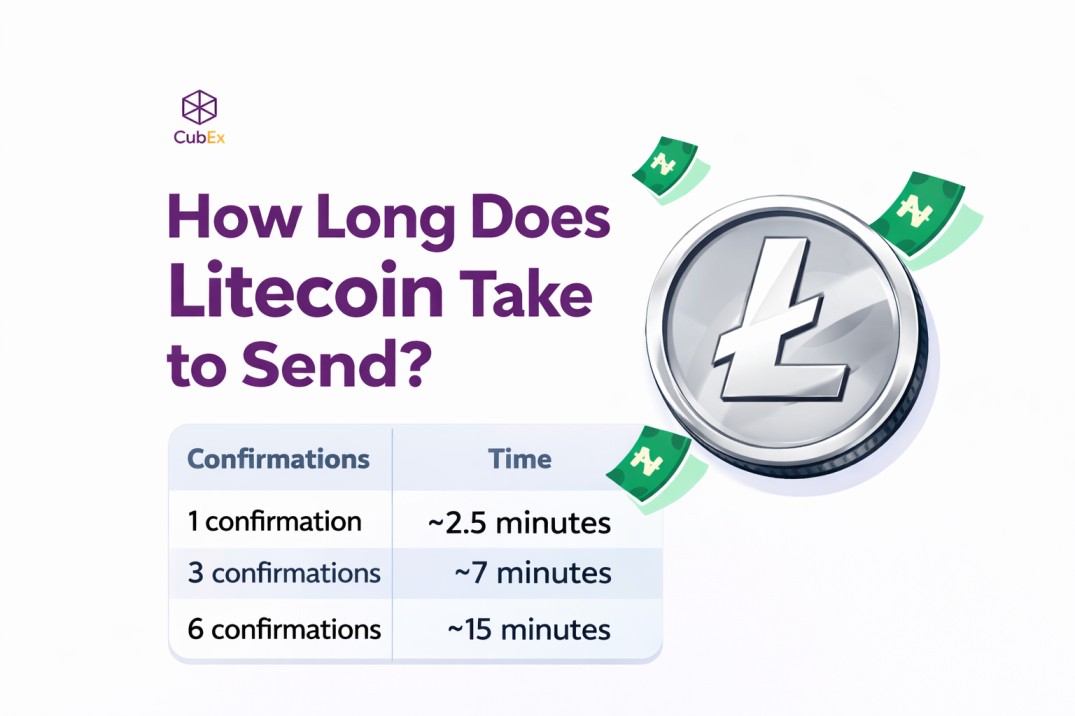
How Long Does Litecoin Take to Send?