- Cryptocurrency
- By Cubex
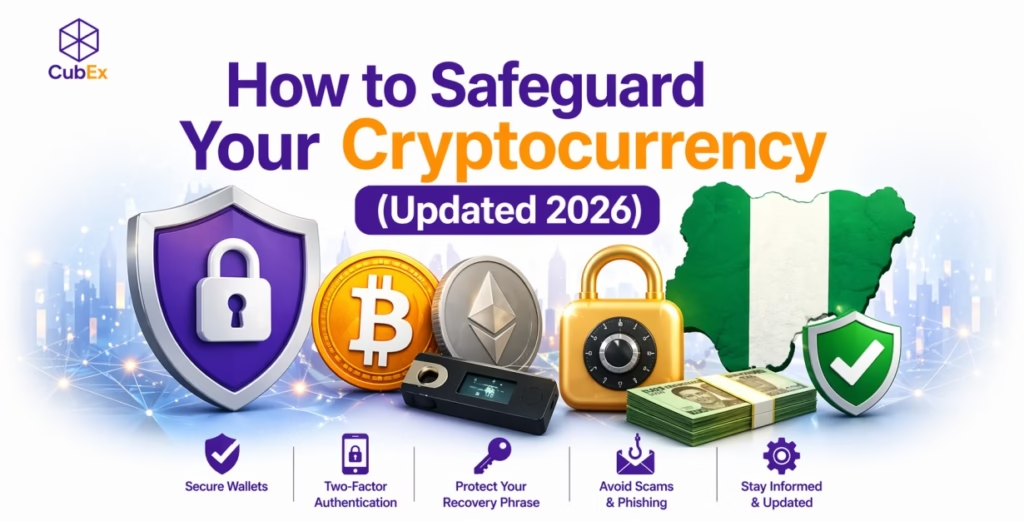
In the fast-growing world of digital assets, owning cryptocurrency has become increasingly common ; whether you’re an investor, trader, or simply curious about the future of finance. But along with opportunity comes responsibility: protecting your crypto is essential. Unlike traditional bank accounts, lost or stolen crypto is often gone forever.
Here’s a practical guide to help you safeguard your cryptocurrencies and avoid common pitfalls in 2026.
Recommended Read: Best Apps to Withdraw Bitcoin to Naira
Key Takeaways
- Cryptocurrency security is entirely your responsibility, there’s no bank to reverse mistakes.
- Cold wallets are the safest option for storing large or long-term holdings.
- Two-factor authentication (2FA) is a must, but avoid SMS-based 2FA.
- Your recovery phrase (seed phrase) is the most sensitive part of your wallet, never store it online.
- Phishing scams are more advanced in 2026, often powered by AI and fake support systems.
- Keeping your software updated reduces exposure to known vulnerabilities.
- Multi-signature wallets offer stronger protection for high-value assets.
- Planning for inheritance ensures your crypto doesn’t become permanently inaccessible.
1. Use a Secure Wallet
Your wallet choice is the foundation of your crypto security.
- Hot Wallets (online wallets): These are connected to the internet and are convenient for daily trading. However, they are more exposed to hacks, phishing attacks, and malware.
- Cold Wallets (offline storage)
Hardware wallets like Ledger or Trezor store your assets offline, making them significantly safer for long-term holdings.
Pro Tip: Never keep large amounts of crypto on exchanges. Move them to a personal wallet.
2. Enable Two-Factor Authentication (2FA)
Your password alone is not enough protection. Always activate 2FA on exchanges and wallets using apps like Google Authenticator or Authy. These generate time-based codes that make unauthorized access much harder.
Avoid SMS-based 2FA because SIM swap attacks are still a common method used by hackers in 2026.
3. Backup Your Recovery Phrases
When setting up a wallet, you’ll receive a seed phrase or private key – a string of words that can restore your wallet.
- Never store it digitally (e.g., on your phone or cloud).
- Write it down and store it in a fireproof, waterproof place.
- Consider using metal backups for extra durability.
Anyone with access to your seed phrase can access your funds. Treat it like the key to a vault.
4. Be Cautious of Phishing Scams
Scams have evolved. In 2026, attackers now use AI-generated emails, fake support chats, and cloned websites that look almost identical to real platforms.
Stay safe by:
- Double-checking URLs before logging in
- Avoiding links from unknown emails, DMs, or ads
- Never sharing private keys or seed phrases (no legitimate platform will ever ask)
- Verifying support accounts before responding
A single wrong click can lead to irreversible loss.
5.Keep Your Devices and Apps Updated
Crypto is a fast-moving industry, and new threats emerge all the time.
- Stay updated on the latest scams and security practices.
- Follow reputable sources, blogs, and forums like CoinDesk, Reddit’s r/cryptocurrency.
- Regularly update your software and firmware to patch vulnerabilities.
6. Consider Multi-Sig Wallets for Large Holdings
If you manage large amounts of crypto, using a multi-signature (multi-sig) wallet adds another layer of protection. These wallets require multiple private keys to approve a transaction, making it harder for a single point of failure to result in loss.
7. Stay Updated on Crypto Security Trends
Crypto threats change quickly. Staying informed is part of staying secure.
Follow trusted sources like CoinDesk and other reputable crypto security platforms to stay aware of new scams, wallet vulnerabilities, and exchange risks.
You can also learn from community discussions, but always verify information before acting on it.
8. Plan for the Unexpected
Think long-term. If something were to happen to you, can your loved ones access your crypto?
- Use a crypto inheritance plan or a trusted legal arrangement.
- Clearly document recovery steps (but keep them secure).
Conclusions
Cryptocurrencies offer financial freedom, but that comes with the personal responsibility of securing your assets. With a few smart practices and a proactive mindset, you can significantly reduce your risk of loss or theft.
Stay safe, stay smart, and stay decentralized.
Disclaimer: This post is for informational purposes only and does not constitute financial advice. Always do your own research before making investment decisions.
Related: The Main Differences Between Bitcoin and Bitcoin Cash.
Frequently Asked Questions (FAQs)
What is the safest way to store cryptocurrency?
The safest method is using a cold wallet (hardware wallet) because it stores your private keys offline, making it harder for hackers to access your funds.
Can I lose my crypto if I forget my seed phrase?
Yes. If you lose your seed phrase and don’t have a backup, you may permanently lose access to your funds. There is no recovery option.
Is keeping crypto on an exchange safe?
Exchanges are convenient for trading, but they are not the safest storage option. They are more exposed to hacks and platform risks. Long-term holdings should be moved to a personal wallet.
What should I do if I suspect a phishing attempt?
Do not click any links or enter your details. Close the page, verify the official website manually, and report the attempt if possible.
Are hardware wallets 100% safe?
No system is 100% safe, but hardware wallets are currently one of the most secure options available when used correctly and kept physically secure.
Litecoin vs Bitcoin Transactions in Nigeria