- Cryptocurrency
- By Gideon
Bitcoin is popular in Nigeria, and more people are selling it every day. But while making a sale can be easy, it’s not always risk-free. Some buyers aren’t honest, and a small mistake could cost you your crypto.
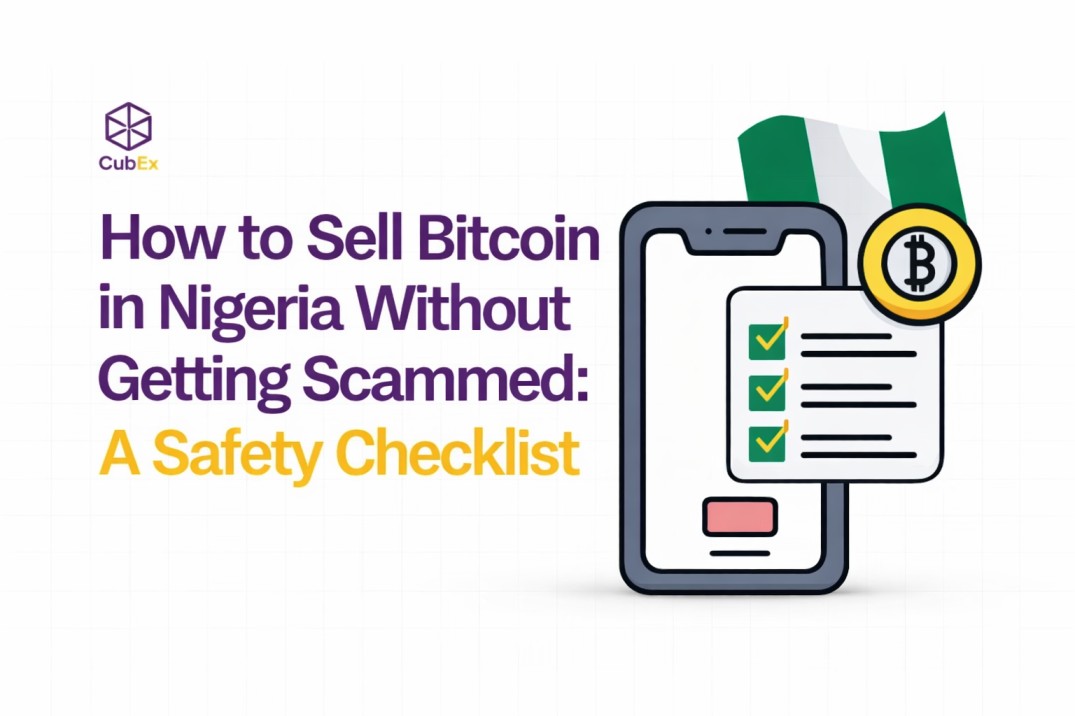
This guide walks you through what to watch for, the steps to take, and a simple checklist to follow. With the right approach, and by using a trusted platform like Cubex, you can sell Bitcoin safely and avoid the traps that catch many first-time sellers.
Also Read:How to Sell Bitcoin in Nigeria: A Complete Guide to Converting BTC to Naira
Why Selling Bitcoin in Nigeria Can Be Risky
Nigeria has one of the most active crypto communities in Africa, with billions of dollars worth of transactions happening every year. According to the Central Bank of Nigeria (CBN), there was a 45% increase in financial fraud cases between 2023 and 2024, and about 70% of the losses were linked to digital platforms, including unregulated virtual asset sites and online investment schemes.
That pattern is important to understand if you’re selling Bitcoin. A spike in online fraud means scammers are increasingly trying to take advantage of people trading crypto without clear protections. For example, fake buyers may send doctored payment screenshots, or ask sellers to move conversations off the platform to apps like WhatsApp or Instagram which are both classic signs of scams.
In the same report, the CBN noted that more than $56 billion in crypto‑related transactions were recorded in Nigeria between July 2022 and June 2023, showing just how big the market has become and how much is at stake when fraud happens.
These figures don’t mean Nigerians should stop selling Bitcoin. Instead, they show why being careful matters. When a large share of fraud losses comes from digital channels, it’s a sign that many smaller or unregulated platforms do not have strong safeguards in place. Scammers exploit gaps in security and buyer verification to trick sellers, especially those who trade without clear procedures or protections.
That’s why using platforms with escrow systems and verified buyers and following a checklist before every sale can significantly reduce the chances of losing your crypto to fraud.
You may also like:How To Safely Avoid Scams and Fraudulent Buyers When Selling Crypto in Nigeria
Step-by-Step Guide to Selling Bitcoin
Here’s a practical way to sell your Bitcoin safely:
1. Pick a Reliable Platform
Not all platforms are the same. Cubex, Binance P2P, Yellow Card, Luno, Breet, and Remitano are popular. Cubex offers verified buyers and an escrow system that protects both sellers and buyers. Beginners especially benefit from platforms that handle payments and verification automatically.
2. Set Up Your Account Properly
Before trading, complete your KYC verification, enable two-factor authentication, and secure your email and wallet. These steps help prevent unauthorized access.
3. Confirm Payment Before Sending Bitcoin
Never release Bitcoin until you’ve checked that payment is complete. Platforms with escrow systems, like Cubex, make this easy. Avoid off-platform communications — scammers often ask sellers to trade on WhatsApp, Telegram, or Instagram.
4. Move Your Money to Your Bank Quickly
After the payment clears, transfer funds to your bank account. Nigerian banks sometimes delay transfers or freeze accounts, so acting quickly matters. Cubex’s system helps streamline this step so you’re not waiting unnecessarily.
Related:How to Open a Bitcoin Wallet in Nigeria
Your Safety Checklist Before Selling Bitcoin
Before you hit Sell, take a minute to go through this checklist. These steps might seem small, but they actually help you keep your money and crypto safe.
1. Confirm the Buyer’s Identity and Reputation
Don’t just click on the first offer you see. Look out for reputation score or buyer’s history. This tells you how many trades they’ve completed and how other users rated them.
A buyer with a long history and positive ratings is far more likely to pay correctly than someone new without any reviews.
If a buyer’s profile looks empty or they have poor ratings, consider choosing someone else.
2. Check That the Bank Account Name Matches the Payment
After the buyer sends payment, don’t assume it’s correct just because funds appear in your bank. Always verify that the bank account name belongs to the buyer you’re trading with. Scammers sometimes use stolen or fake accounts to trick sellers.
For example: You can see ₦50,000 in your account, but if the name doesn’t match the buyer’s profile, pause because it could be a reversed or fraudulent transfer.
3. Keep All Messages on the Platform
Do not move conversations to other apps like WhatsApp, Telegram, or Instagram. Always use the platform’s internal chat to talk with the buyer.
This is important because if anything goes wrong, your trade history is recorded and support teams can review it.
If you deal outside the platform, you lose protection and the platform can’t help you if the buyer doesn’t pay or disputes the transaction.
4. Never Share Private Keys or Wallet Passwords
Your Bitcoin private keys and wallet passwords are like the keys to your house. If someone else gets them, they can take your crypto without asking.
No legitimate buyer will ever ask for your private keys or wallet password.
5. Avoid Public Wi‑Fi When Trading
Public Wi‑Fi networks (like those at cafés or transport hubs) are often not safe. Hackers can intercept data on these networks and steal login details or other sensitive info.
Whenever possible, use your mobile network or a secure private connection when selling Bitcoin.
5 Crypto Trading Strategies for Beginners-2026
How People Get Tricked When Selling Bitcoin
Scammers use a few common tactics. Knowing them helps you avoid trouble:
- Fake Payment Proofs: Some buyers send screenshots that look real. Always verify with your bank.
- Phishing Sites and Fake Apps: Only use verified platforms. Never give your credentials on unknown websites.
- Off-Platform Requests: Sellers are asked to trade over WhatsApp, Telegram, or Instagram. These are often scams.
- Reversed Payments: Some buyers try to reverse bank transfers after receiving Bitcoin. Wait until the payment is fully settled.
Platforms to Consider When Selling Bitcoin in Nigeria
Some platforms are easier to use and safer than others:
- Cubex – Verified buyers, escrow system, quick transfers.
- Binance P2P – Large user base, reliable.
- Yellow Card – Mobile-friendly and beginner-friendly.
- Luno – Simple interface and fast transfers.
- Breet – Trusted P2P features.
Frequently Asked Questions About Selling Bitcoin in Nigeria
Q: What’s the safest way to sell Bitcoin?
Use a verified platform with escrow, like Cubex, and follow a simple safety checklist.
Q: Are peer-to-peer trades safe?
A:Yes, if you trade on reliable platforms and verify payments before sending Bitcoin.
Q: How do I confirm payment?
A:Check your bank account for cleared funds. Escrow systems make this process safer.
Q: How can I report a scam?
A:Contact the platform support team and report to authorities if needed.
Conclusion
Selling Bitcoin in Nigeria isn’t difficult. Stick to trusted platforms, follow the safety checklist, and watch out for warning signs. Check the buyer, confirm payment, and keep communications on the platform.
By paying attention to these details, you reduce risk and make trading a routine, manageable task. Share this guide with friends who are selling crypto too, knowing how to trade safely is something everyone should understand.
how-to-swap-crypto-instantly-in-nigeria