- Cryptocurrency
- By Gideon
Money movement in Africa still feels slow for many people, especially as online work grows and more users now earn in dollars. Tools like Zelle and Cash App work smoothly in the US and UK, but the moment you try to use them from Nigeria, Ghana or Kenya, everything stops working. Crypto steps into that gap with a simple promise. A way to send, receive and store value at any time without depending on foreign systems that often shut African users out.
In this guide, you will learn:
- How Zelle, Cash App, cards and crypto perform when used from Africa.
- Why more African businesses are now accepting crypto as payment.
- Why Crypto and USDT Have Become the Fastest Way to Receive and Send Money in Africa
- How Africans Use Crypto Across Different Situations
Why Zelle and Cash App Don’t Work in Africa in 2026
Zelle and Cash App continue to work well in the US and UK because everyone using them sits inside the same banking system. You search for a contact, enter an amount, and the money lands instantly. It feels simple for the people it was made for.
The moment you try the same thing from Nigeria, Ghana or Kenya, the experience changes completely. There is no way to link these apps to African banks, and the verification process stops most users before they even begin. It is not a technical fault. The apps were never created with African users in mind.
Cards helped many users make payments online when local options fell short. They made it possible to pay for subscriptions, flights and software. Still, they do not solve the question of how to receive funds. The FX impact reduces your balance, and spending limits can be frustrating.
This is where crypto steps in. It gives users a way to send and receive money directly, without waiting for approval from foreign banking systems. Transfers settle fast, and the process works the same for anyone, no matter where they live. It fills the gap that the other tools leave open.
Related story:What Are Stablecoins and How Are They Used in Nigeria?
Why Virtual Cards Are Helpful but Limited
Virtual dollar cards stepped in at a time when many African users needed a simple way to pay online. They made it possible to subscribe to Netflix, book flights, shop on Amazon or pay for software when local cards failed. They are easy to create, quick to fund and accepted across most international platforms.
Even with these benefits, the gaps become clear once you look beyond online spending. Virtual cards cannot receive money. A freelancer who earns in dollars cannot accept a payment through a virtual card. A business owner cannot collect USD from a customer abroad through it. The card works only in one direction.
There are other limits too. Many virtual cards come with tight monthly caps. Some stop working during high FX pressure. And the final cost of each transaction rises once the FX impact is applied. These small issues add up for users who make frequent payments.
Virtual cards solve the spending problem, but they do not solve the bigger challenge of receiving and holding value from abroad. That is the part stablecoins handle without friction.
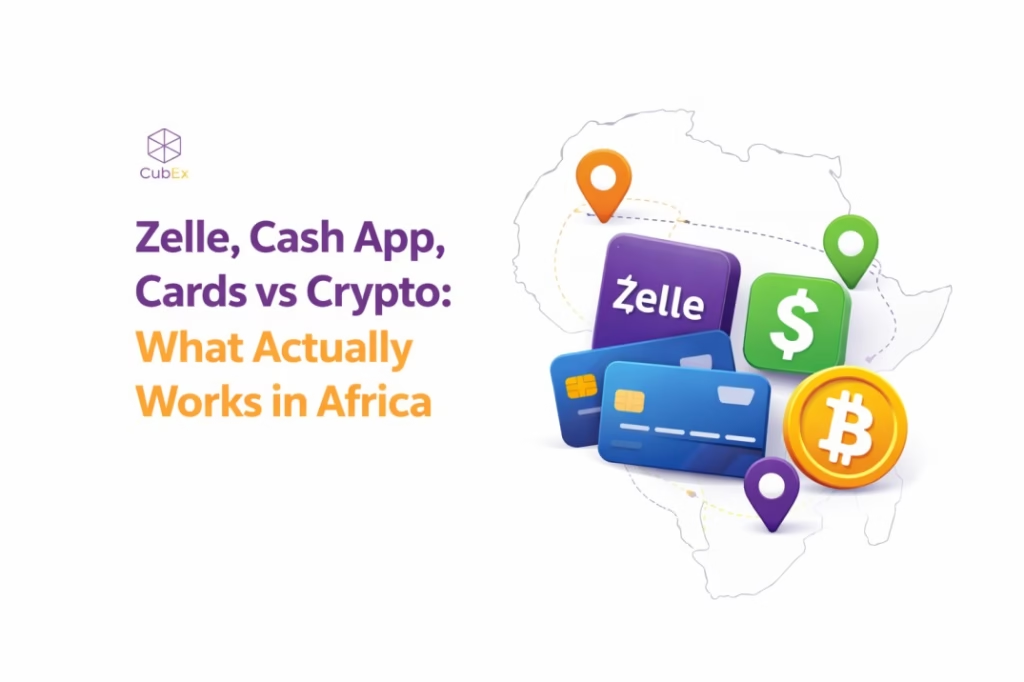
Zelle vs Cash App vs Cards vs Crypto: Comparison Table
Method | Access in Africa | Speed | Cost | Best For |
Zelle | None | Instant inside US | Free US transfers | Local payments within the US |
Cash App | None | Same-day or slower | 0.5 to 1.75 percent | US and UK users only |
Virtual Dollar Cards | Full access | Instant online | 3 to 7 percent FX impact | Shopping, subscriptions, online services |
Crypto(USDT/USDC) | Full access | Minutes | 0 to 1 percent | Sending, receiving, and holding value |
Why Crypto and USDT Have Become the Fastest Way to Receive and Send Money in Africa
- Transfers clear in minutes
Stablecoins move quickly. A sender in the US or Europe can pay someone in Nigeria or Ghana and the funds appear almost immediately. There is no waiting for banking hours, pending alerts and long settlement times. This speed helps freelancers, small business owners and families who depend on timely payments. - Lower cost compared to cards and banks
Many traditional methods carry high fees. Card charges, FX deductions and bank costs often reduce the final amount users receive. USDT keeps things simple with fees that remain between zero and one percent. This means more of the money stays with the user. - No regional blocks
Zelle and Cash App limit payments to specific countries. Stablecoins work everywhere. A sender does not need to worry about the receiver’s country, and the receiver does not need a foreign bank account to get paid. This alone solves a major challenge for Africans who work with clients across multiple continents. - Better protection for earnings
African currencies change often, which makes planning difficult. Many users hold a portion of their income in USDT to keep the value steady. This gives them a sense of ease when putting money aside for rent, tuition or business needs. - A smoother option for online workers
Remote workers, creators and digital sellers receive payments in USD regularly. Traditional platforms reject African users or delay their payments. Stablecoins make the process cleaner. Clients send USDT and the receiver converts it to local currency or keeps it in stable value. - Consistent experience for senders and receivers
With most traditional channels, the user experience depends heavily on location. Crypto removes that issue. A person paying from Toronto has the same experience as someone paying from Cape Town. This predictability is one reason users across the continent trust stablecoins. - Growing acceptance among African users
Crypto has become part of daily money habits. People use it for freelance payments, cross-border trade, family support and savings. The more familiar people become with stablecoins, the easier it gets to use them for everyday needs.
How Africans Use Crypto Across Different Situations
Receiving USD Income
Freelancers working on Upwork, Fiverr or direct contracts receive stablecoins when clients cannot send money through Zelle or Cash App. The funds arrive quickly and can be converted immediately.
Cross-Border Transfers Within Africa
Users in Kenya pay suppliers in Ghana using USDT. The money arrives with no delays or routing issues.
Moving Money Across Continents
A relative abroad sends support home without using banks or remittance agents. The receiver cashes out instantly.
Protecting Savings
People hold part of their income in USDT to plan for school fees, rent and business expenses.
Merchant Payments
More small businesses now accept stablecoins for large orders. It helps them avoid card failures and slow bank clearance.
Why African Are Now Embracing Crypto
1.Payments arrive faster
Many African businesses struggle with delayed transfers, especially when customers pay from abroad. Stablecoins remove that delay. A business owner in Lagos can receive a payment from a buyer in London or Doha within minutes. Faster settlement helps businesses deliver services quickly and keep operations running without interruption.
2.Fewer issues with card failures
Card payments from international customers often fail. Sometimes it is the bank, the FX limit, and sometimes it is a simple verification error. These repeated failures create friction for both sides. Crypto avoids all of that. A customer sends USDT and the business receives it without dealing with blocked payments.
3.Lower costs compared to international gateways
Many traditional payment processors charge high fees for cross-border transactions. Stablecoin transfers stay within a much smaller fee range, which helps businesses save more money on each transaction. Over time, this makes a noticeable difference to their bottom line.
4.Access to customers from any country
A global customer does not need a specific card type or bank to pay a merchant in Africa. They only need a stablecoin wallet, which has made it easier for African businesses to sell to people worldwide. This opens new markets for small and mid-sized businesses.
5.Better planning due to steady value
A business that receives payments in USDT can hold part of its revenue in stable value before converting to local currency. This approach helps the business plan for rent, inventory, salaries and operational costs without worrying about sudden price changes.
6.Cleaner reconciliation for international transactions
Crypto transfers come with clear transaction records. Businesses can track who paid, when they paid and the exact amount received. This helps with bookkeeping and reduces confusion that often comes with traditional bank settlements.
7.Growing customer demand
More buyers prefer paying with crypto, especially in the tech, retail, lifestyle and digital service spaces. As customers adopt stablecoins, businesses adjust to meet them. Accepting USDT has become a way to stay relevant and accessible.
How to Accept Crypto as a Business Owner in 2026
- Create a stablecoin wallet using a trusted platform
The first step is opening a wallet that supports USDT or USDC. This gives your customers a direct way to pay you. You can start with apps like Cubex, Breet, Yellow Card or any reliable wallet provider you prefer.
These platforms make it easy to receive stablecoins and convert them to local currency whenever you like. Once your wallet is ready, you will receive a unique address or QR code that customers can pay into.
- Share your wallet address or QR code with customers
Most business owners simply share their payment details through WhatsApp, Instagram, Telegram or email. Some place a QR code at their checkout counter. When a customer scans and sends USDT, the payment appears almost immediately.
- Check your wallet to confirm the payment
Stablecoin transfers arrive in minutes. You can open your wallet and see the amount, timestamp and transaction details. This helps you confirm payments before you process an order.
- Convert your stablecoins to local currency when needed
Some businesses keep part of their earnings in USDT so they can plan expenses better. Others convert to NGN, GHS, KES or ZAR immediately through platforms like Cubex or Breet. The process is quick and helps with cash flow.
- Record each transaction for your books
Crypto payments generate clean transaction records, making it easy to track who paid and when. Many business owners prefer this because it removes confusion around delayed bank settlements.
- Let customers know you accept USDT
Once you are set up, tell your customers. This can be a short line in your Instagram bio, a note on your website or a simple message on your price list. Many customers appreciate the option because it avoids the usual card problems.
How to Convert Your Crypto to Cash Using Cubex
- Download and Sign in to your Cubex account and complete verification
- Open your Cubex wallet and select the coin you want to convert
- Deposit the crypto into your Cubex wallet
- Wait for the deposit to reflect in your Cubex balance
- Find the “Sell” option, enter the amount you want to sell, and review the rate shown.
At this point, you’re basically swapping your crypto into cash value. - After the sale, move to “Withdraw” and choose your bank account.
If you haven’t added your bank details yet, add them carefully (account name, account number, bank). Then confirm the withdrawal.
Conclusion
Crypto has grown because it solves real problems African users face. It makes sending and receiving value easy. It brings more people into global opportunities. And it does all of this with speed and lower cost.
Stablecoins will continue to guide the way Africans move money in 2026. For many users, this is no longer a new idea. It is now part of their daily flow.

Gideon
This is your bio
Best Apps to Withdraw Bitcoin to Naira